Loading...
Ruins
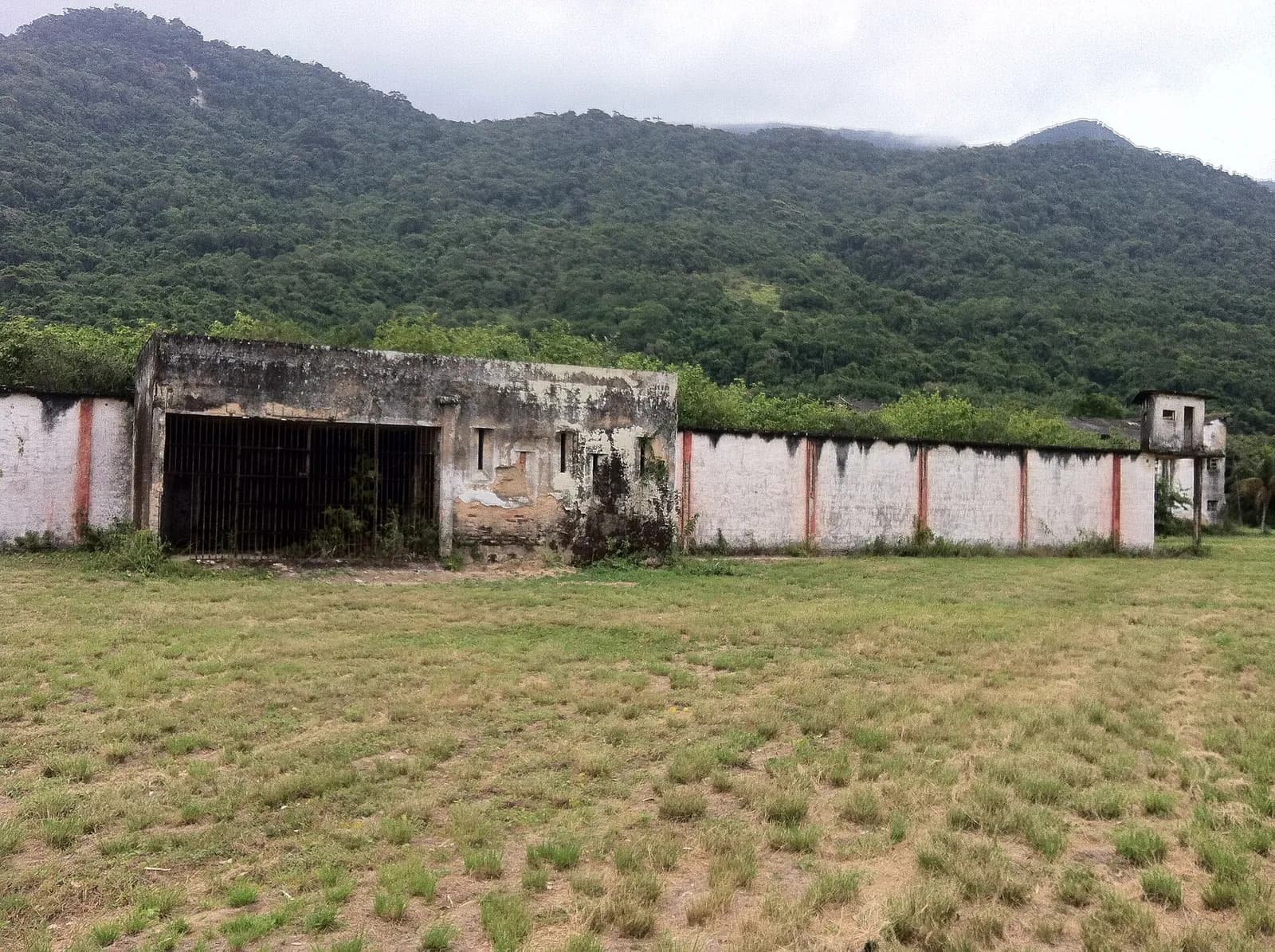
Candido Mendes Prison, Dois Rios
A penal colony operating on the ocean side of Ilha Grande from 1903 until its deactivation in 1993, notorious under the military dictatorship for holding political prisoners alongside common convicts. Much of the complex was imploded in 1994; the remaining structures in the village of Dois Rios now house the Museu do Carcere, run by the state university.
-23.1835, -44.1924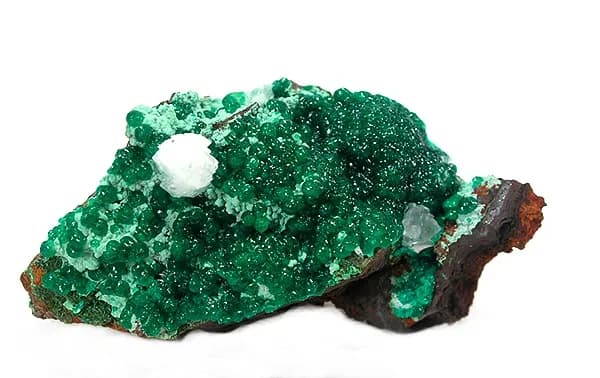
Abandoned
Ojuela
A silver and gold mining settlement in the Durango desert, worked from the late sixteenth century until its reserves were exhausted and it was gradually abandoned after the Mexican Revolution. Its best-known survivor is the Puente de Ojuela, a suspension footbridge completed in 1898, spanning the ravine above the deserted workings.
25.7936, -103.7914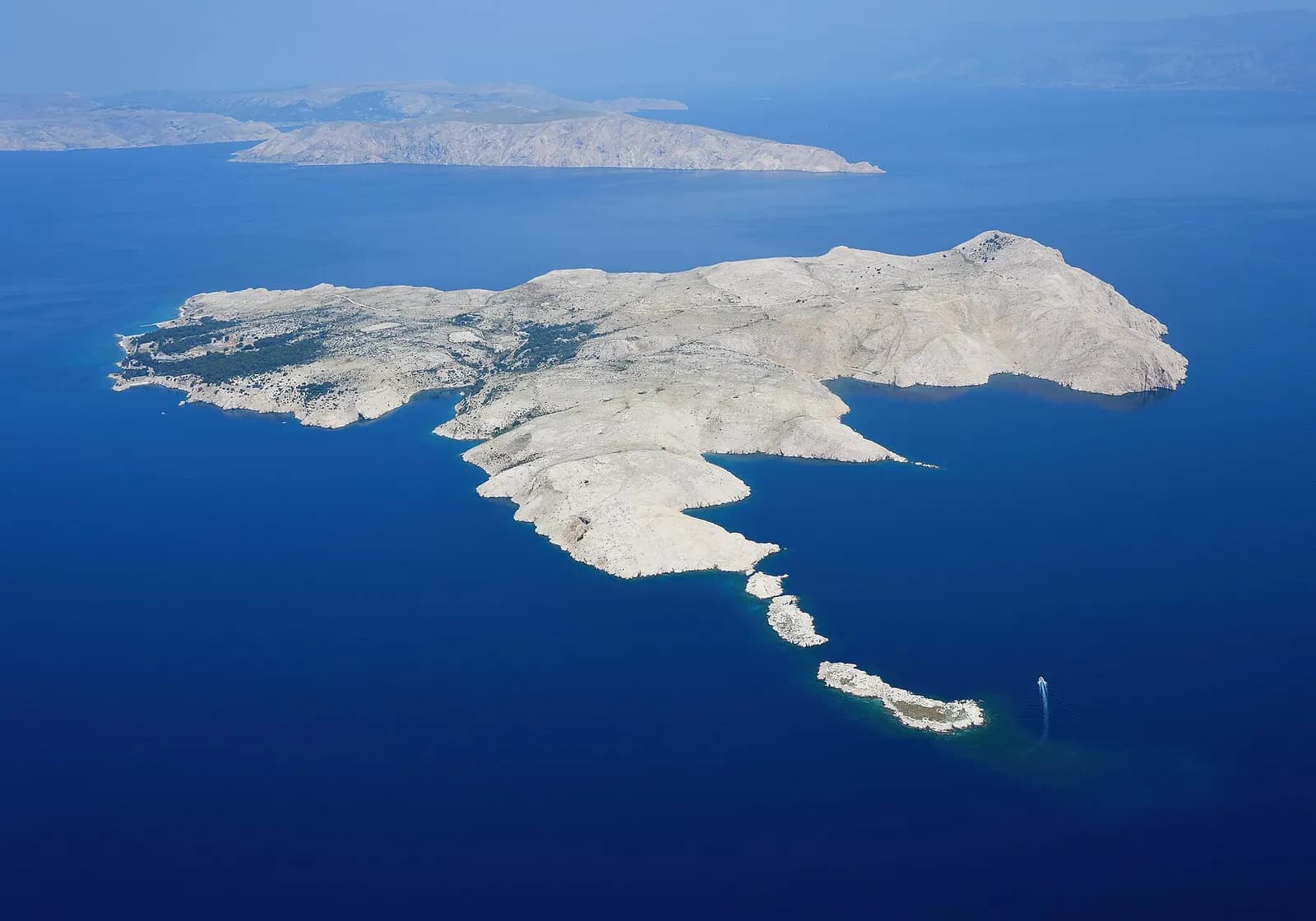
Historical
Goli Otok
Goli Otok is a barren island in the northern Adriatic off the Croatian coast that served as a Yugoslav political prison from 1949 to 1988, chiefly for those deemed Stalinist sympathisers after Tito's 1948 break with the Soviet Union. Around 16,000 prisoners passed through its forced-labour regime, and several hundred died there. The quarries, cell blocks, and workshops now stand abandoned.
44.8389, 14.8186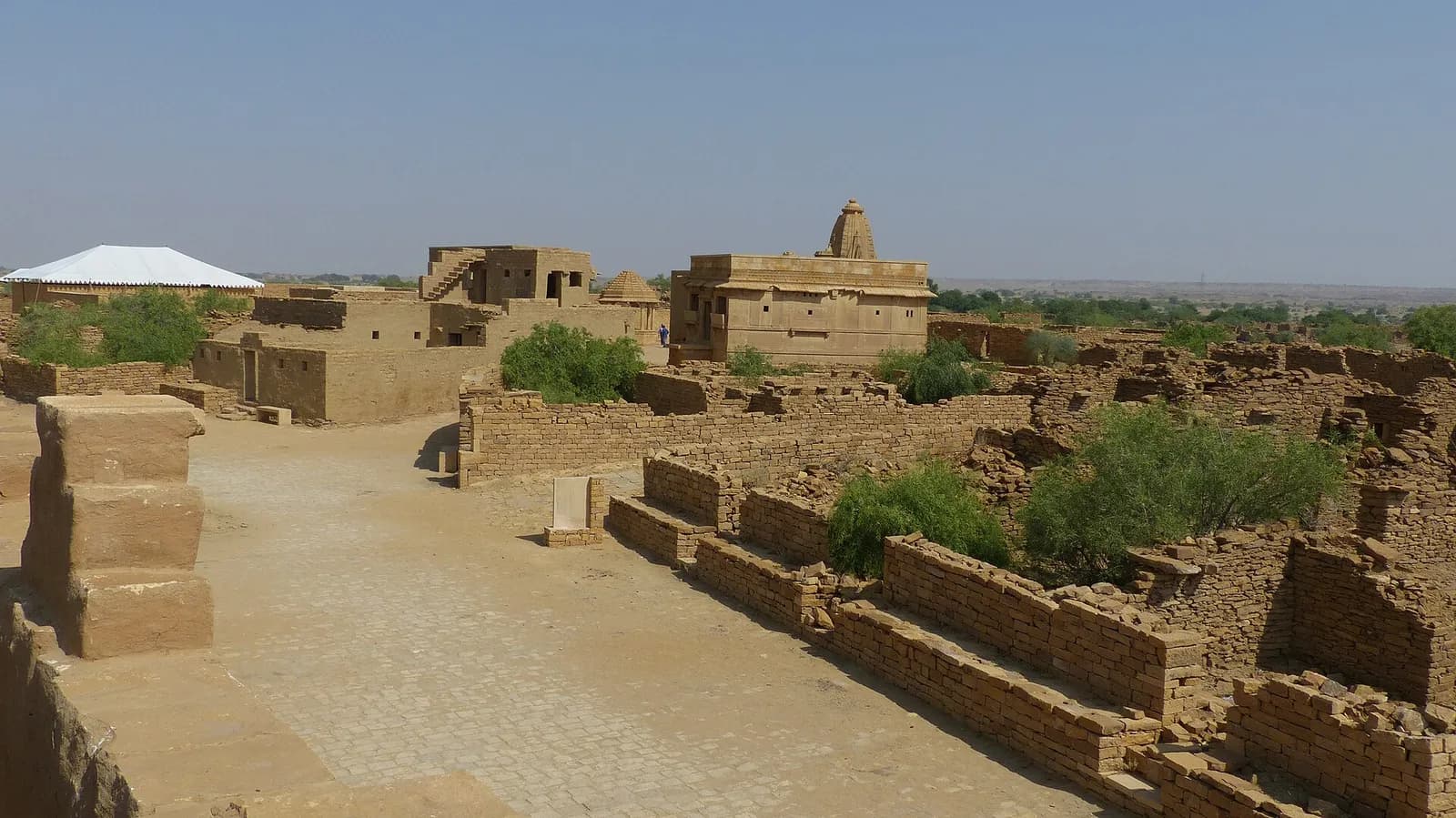
Abandoned
Kuldhara
Kuldhara is an abandoned village about 18 km southwest of Jaisalmer in Rajasthan, India, established around 1291 by Paliwal Brahmins. It was deserted by the early 19th century; local legend attributes this to a tyrannical minister, while a 2017 study points to earthquake damage. Its ruined sandstone houses are now a protected archaeological site.
26.8700, 70.7850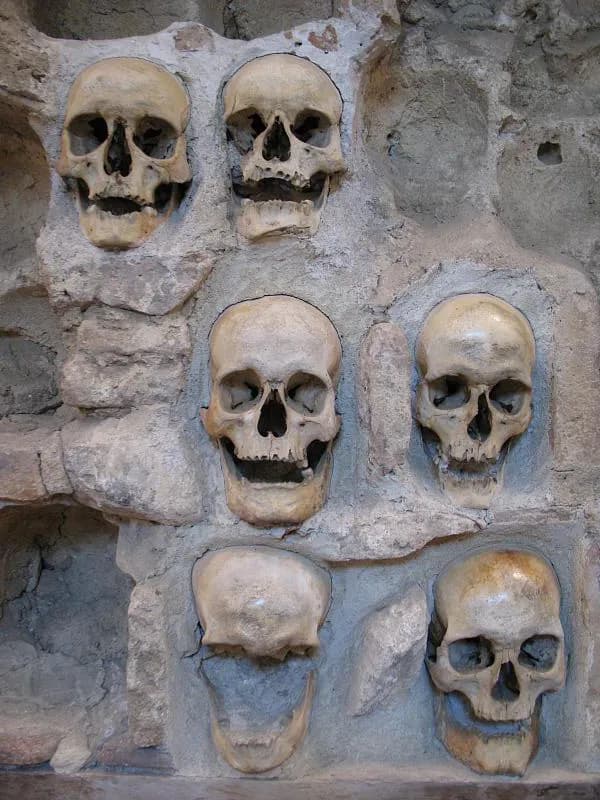
Macabre
Skull Tower (Ćele Kula)
The Skull Tower on the edge of Niš, Serbia, was built by Ottoman forces after the 1809 Battle of Čegar, during the First Serbian Uprising, using the skulls of fallen Serbian rebels. Originally set with 952 skulls in fourteen rows, the tower today retains a few dozen and is enclosed within a small chapel built in 1892. It stands as a memorial to the rebels who died there.
43.3117, 21.9239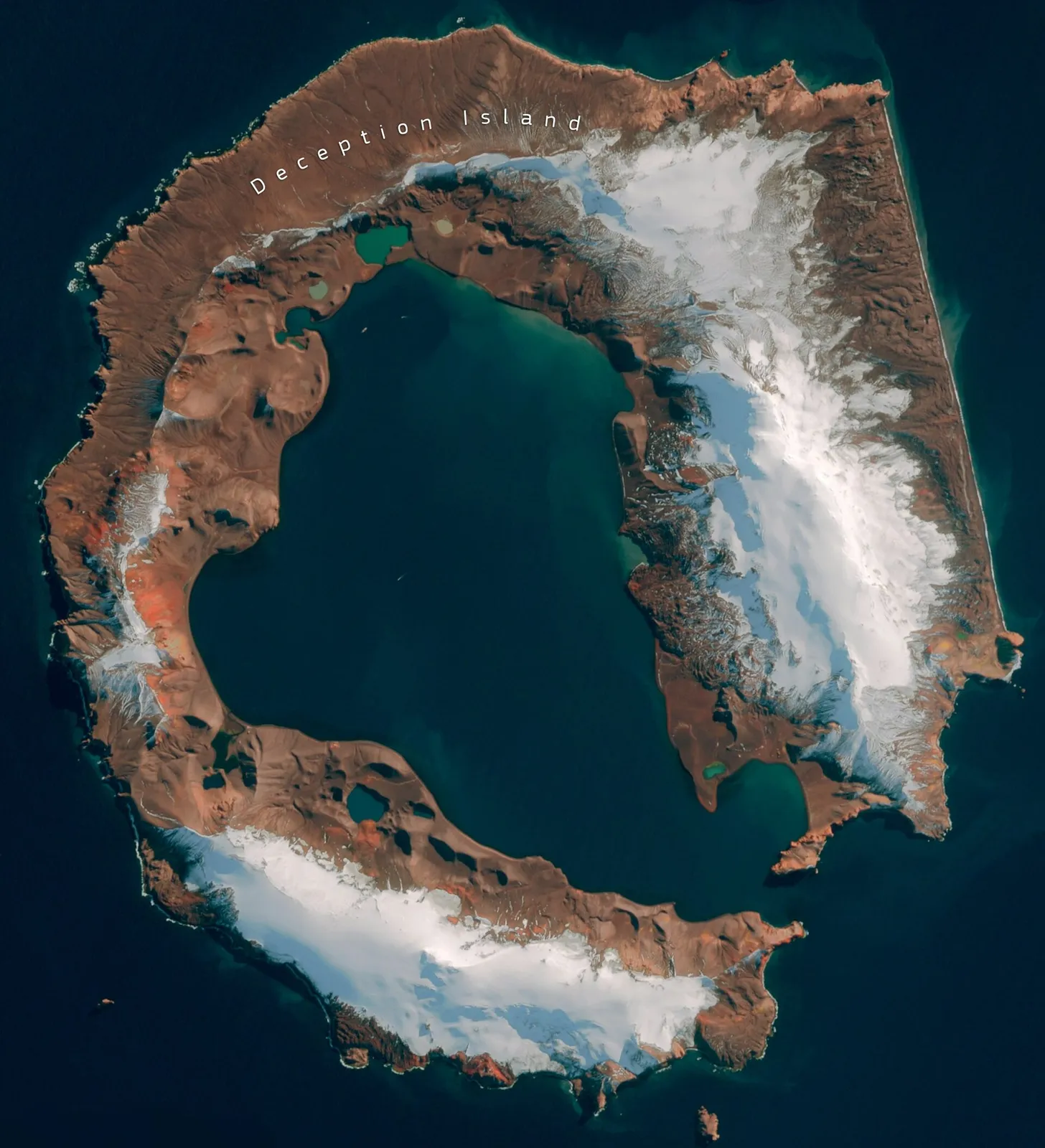
Ruins
Whalers Bay, Deception Island
On a volcanic caldera island in the South Shetlands near the Antarctic Peninsula, Whalers Bay holds the ruins of a Norwegian whaling station operated from 1912 and later a British scientific base. Rusting oil boilers and tanks, a collapsed aircraft hangar, and weathered buildings remain, along with graves from the whaling era. Volcanic eruptions in 1967 and 1969 buried and twisted parts of the site, which was then abandoned.
-62.9833, -60.5667